Treatment Programs
A full continuum of evidence-based care for lasting recovery.
MDPH Rehab offers comprehensive treatment programs designed to meet each individual where they are. From medical detox through outpatient care, our clinical team provides personalized, evidence-based treatment at every stage of recovery.
Medical Detox
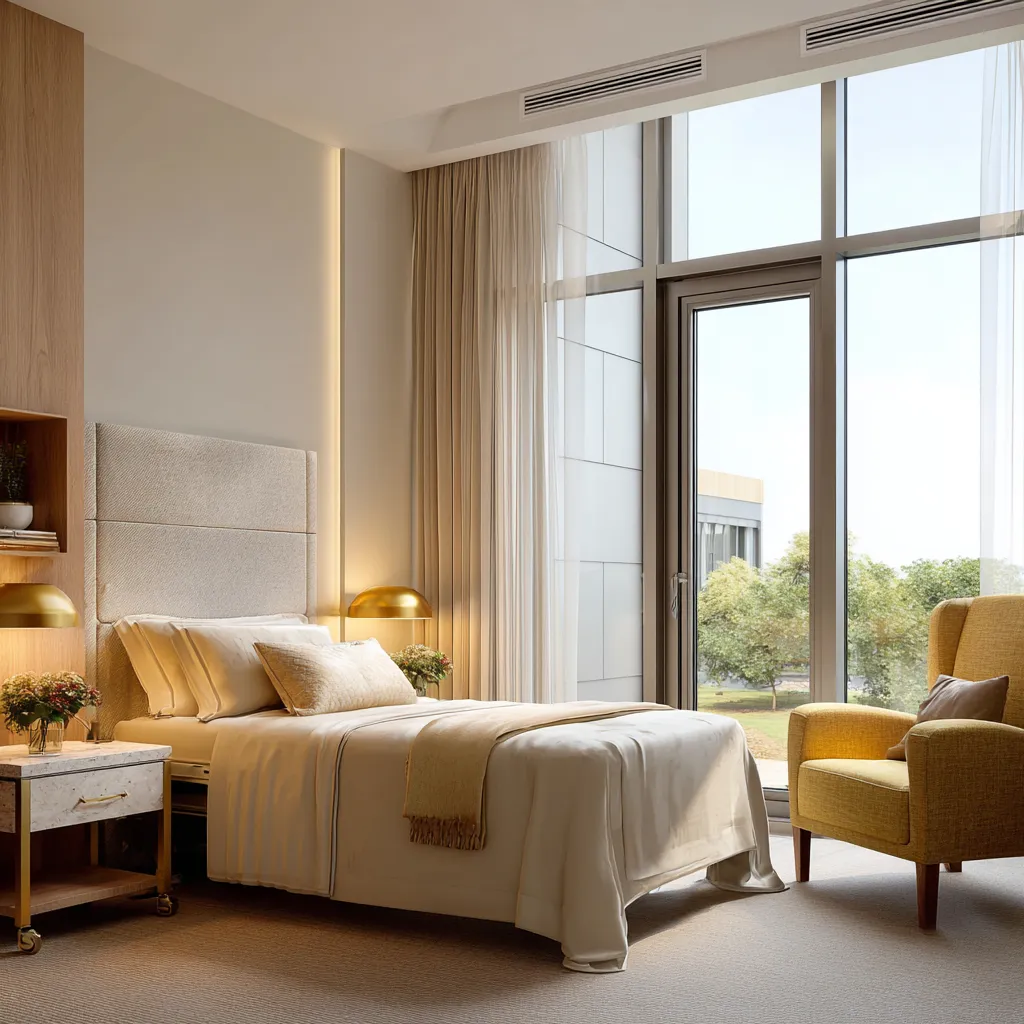
Stepping into detox is often the hardest decision a person makes, and our Pleasanton facility is built to honor that courage with safety and privacy. Over three to seven days, you receive around-the-clock medical oversight in a secure, residential-style setting removed from the pressures of daily life. Each withdrawal protocol is developed individually — accounting for the substance, your health history, and any psychiatric conditions — so that the first days of recovery feel like arriving somewhere stable rather than enduring something clinical.
Because MDPH began as an outpatient practice, we've maintained the long-standing primary-care relationships that our original patients built. Records coordinate cleanly between our detox unit and Tri-Valley primary-care providers — no one disappears into a black box.
What's included: 24/7 nursing, physician-managed medication, psychiatric consult within 48 hours, MAT when clinically indicated, bilingual Spanish/English staff, and a private room for every detox patient.
Residential Treatment
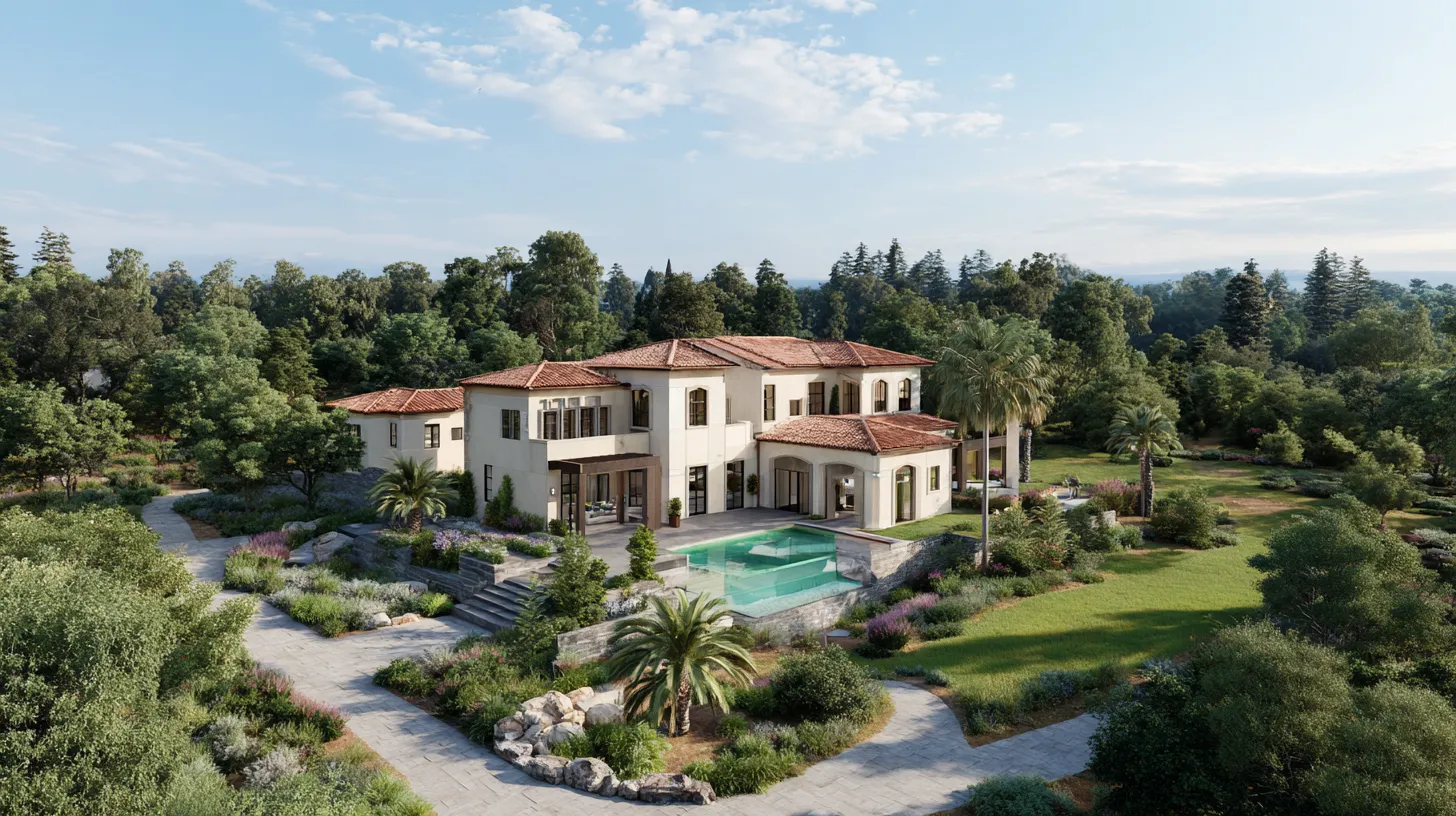
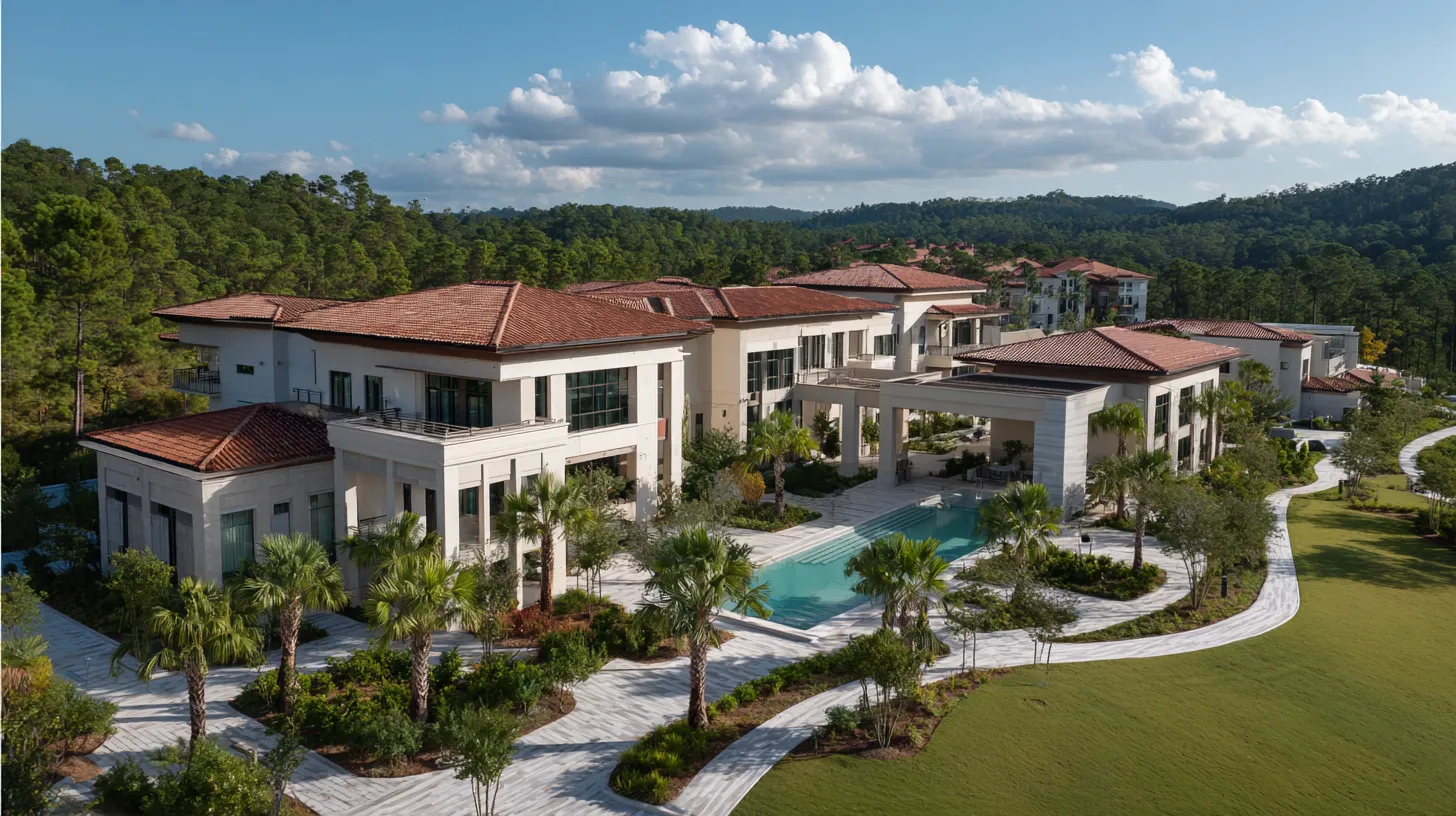
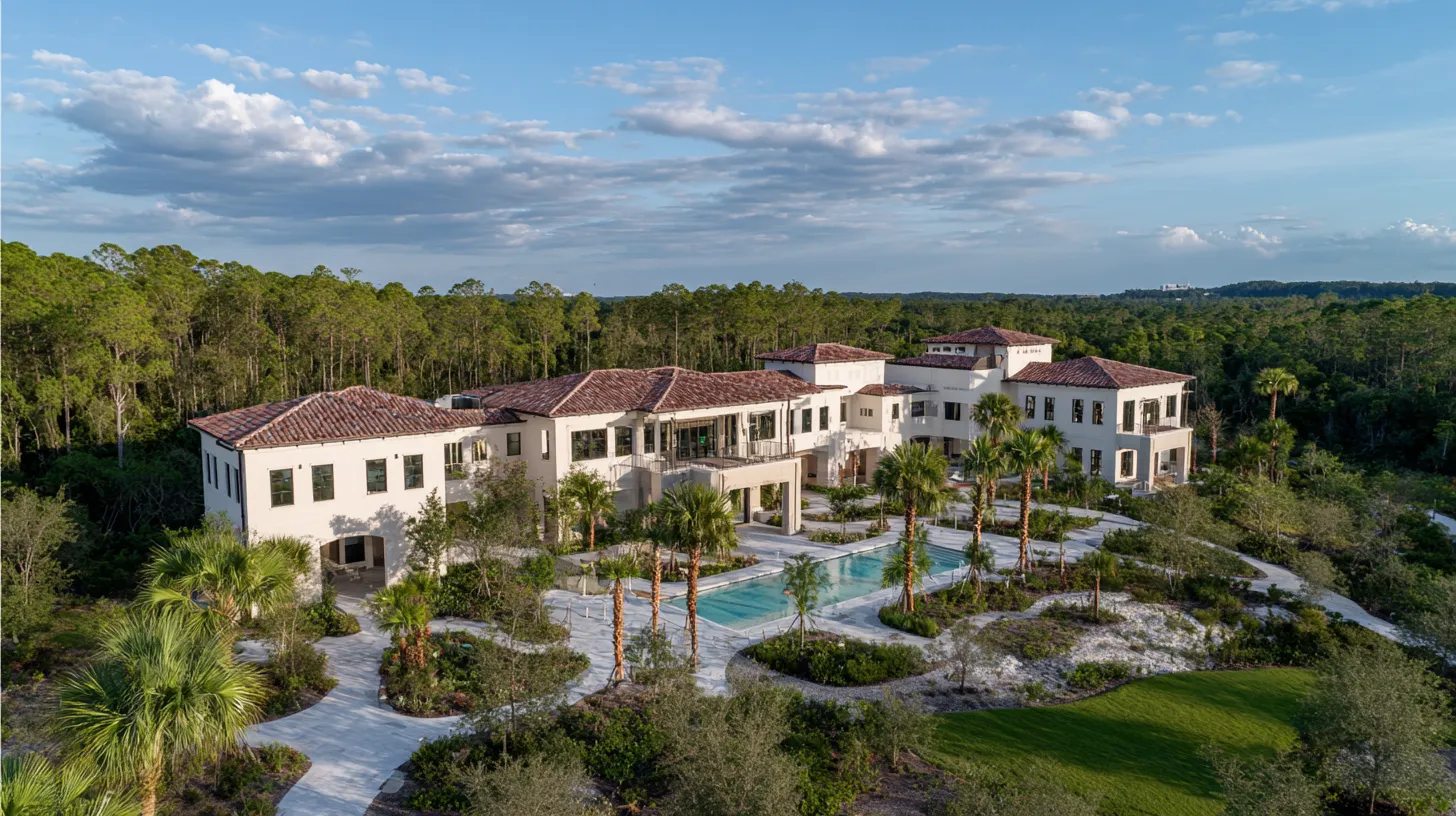
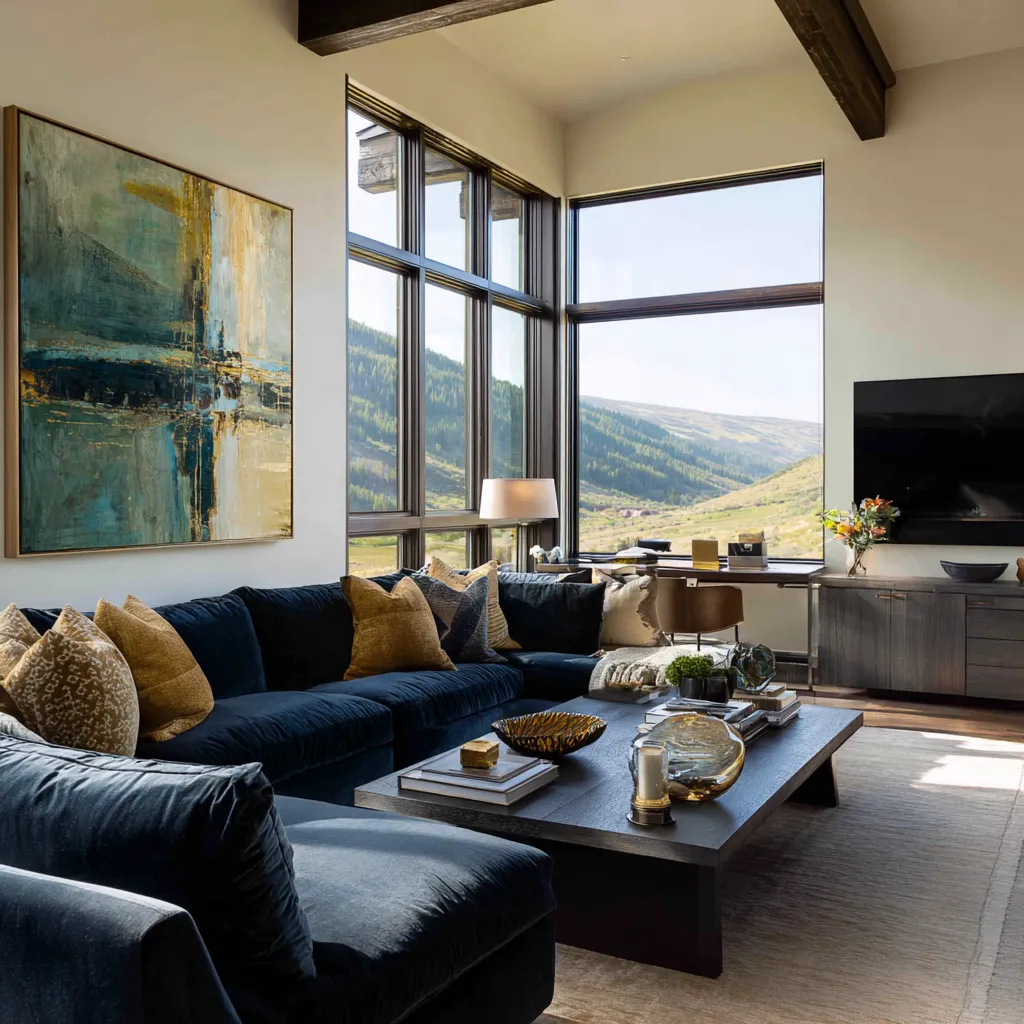
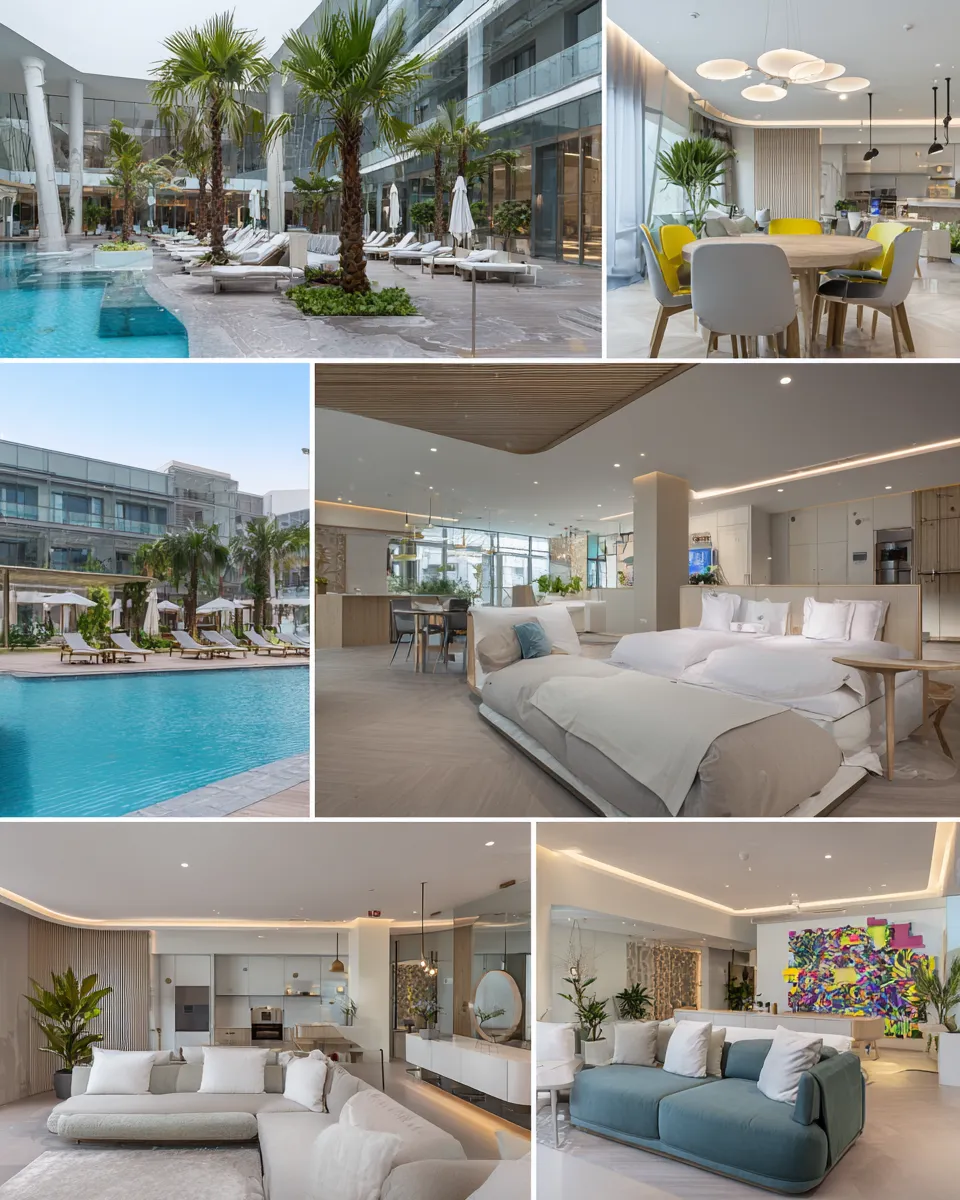
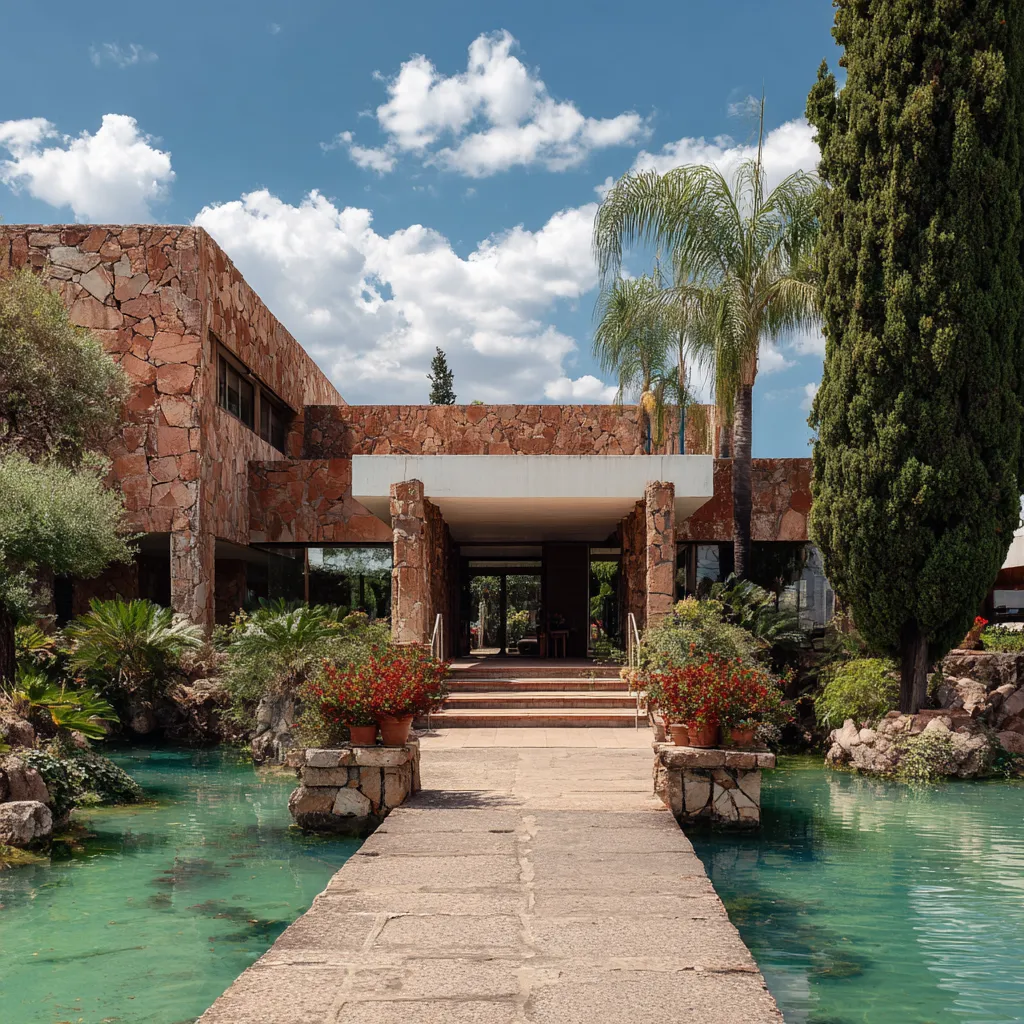
A 30 to 90 day stay in our 70-bed Pleasanton residence. The building was purpose-designed in 2022 as an urban sanctuary — acoustic insulation between wings, a meditation garden at the center, a music therapy room on every floor, and a chapel / interfaith space that welcomes every spiritual background or none.
Days are anchored by a morning community meeting and a closing community meeting at day's end. Between those bookends: individual therapy, group work, daily music therapy or guided movement, and weekly family sessions.
What's included: private rooms for every patient who needs one, shared rooms when clinically indicated, swimming pool, yoga pavilion, tennis court, meditation garden, chapel / interfaith space, and a 90-day post-discharge alumni check-in cadence.
A Typical Day
- 7:00 AM — Wake and quiet courtyard time
- 7:45 AM — Morning community meeting (the anchor of every day)
- 8:30 AM — Breakfast
- 9:30 AM — Individual therapy or psychiatric appointment
- 11:00 AM — Process group (CBT, DBT, or 12-step facilitation rotation)
- 12:30 PM — Lunch and meditation garden time
- 2:00 PM — Family systems session or strengths-based skills group
- 3:30 PM — Creative expression block (music therapy or guided movement)
- 5:00 PM — Optional chapel / interfaith reflection
- 6:00 PM — Dinner
- 7:30 PM — Evening community meeting
- 9:30 PM — Quiet hours; lights out at 10:00 PM
Outpatient Program
Three outpatient tracks for Tri-Valley residents who need to keep working, parenting, or studying while in active treatment — the program MDPH started with, and the one our founders still oversee directly.
PHP runs 5 days per week, 6 hours per day, for 2–4 weeks. IOP runs 3 evenings per week for 8–12 weeks — built for working adults from Pleasanton, Dublin, Livermore, and Bay Area commuters along the I-580/I-680 corridor. Standard outpatient continues weekly therapy and psychiatric medication management for 3–6 months after step-down.
Step-down between levels is clinical, not calendar-based. Many patients step up to residential and back down to IOP and continue seeing the same outpatient clinicians they started with.
Dual Diagnosis
More than 60% of patients arriving at MDPH have a co-occurring psychiatric condition driving or amplifying their substance use. Treating one without the other is the most common pattern we see in patients returning from previous programs.
Our dual diagnosis track keeps psychiatric medication management and substance use therapy under one coordinated clinical team. Dr. Delgado-Tanaka reviews every plan; the psychiatrist who prescribes is the same one who attends the family meeting.
Approach: integrated assessment in week one, single coordinated treatment plan, creative-expression therapies as adjunctive to medication management, and discharge with named local psychiatric follow-up — not a list of referrals and a goodbye.
Substances We Treat
- Alcohol
- Opioids
- Fentanyl
- Heroin
- Crack Cocaine
- Methamphetamine
- Kratom
- Inhalants
Treatment Modalities
- Cognitive Behavioral Therapy (CBT)
- Dialectical Behavior Therapy (DBT)
- Individual Counseling
- Group Therapy
- Family Systems Therapy
- Music Therapy
Facility & Amenities
- Swimming Pool
- Yoga Pavilion
- Tennis Court
- Meditation Garden
- Meditation Room
- Chapel / Interfaith Space
- Private Rooms
- Pleasanton Ridge Hiking Trails